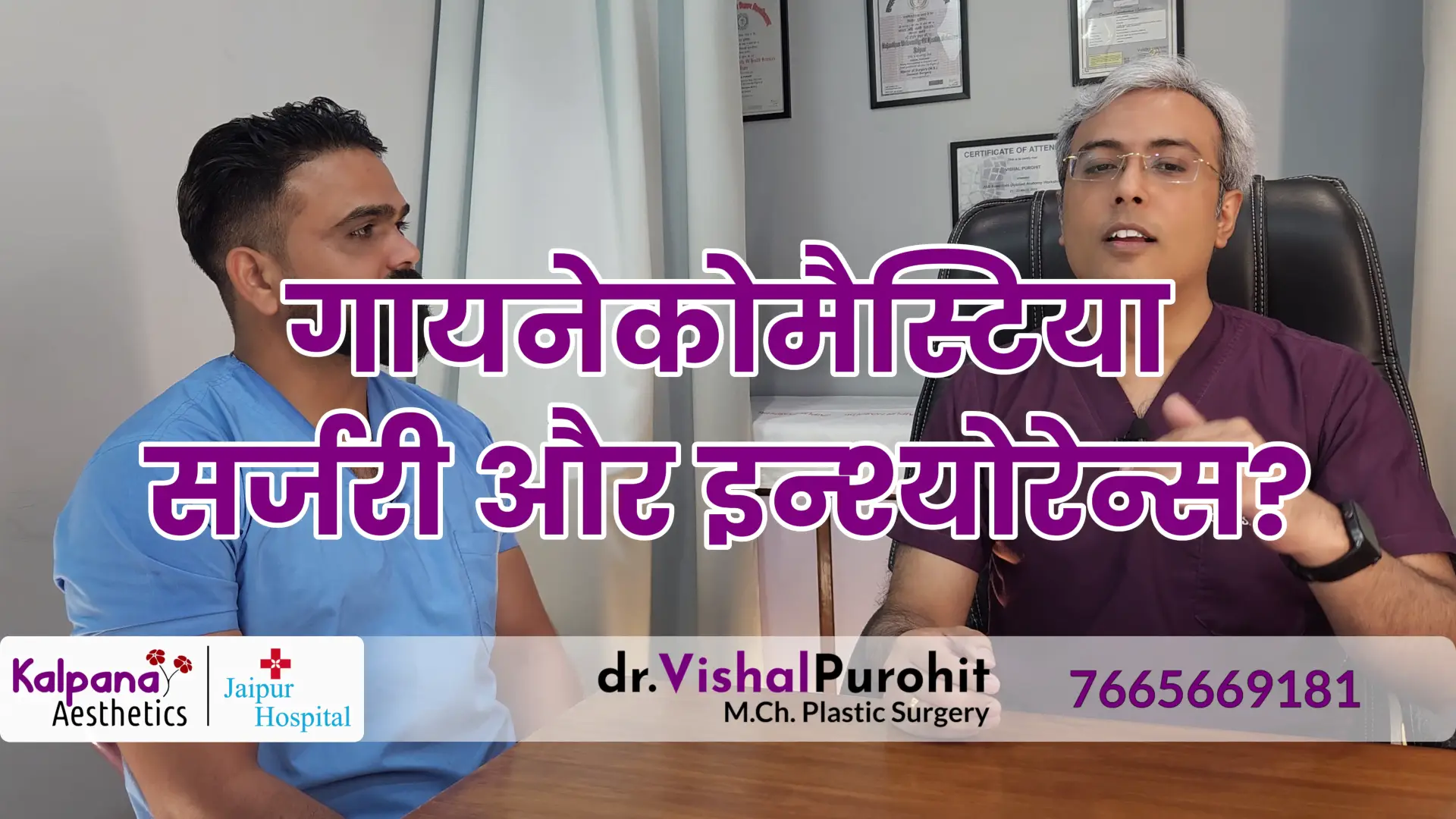
Home care After Gynecomastia Surgery
Introduction
Understanding Gynecomastia Surgery
Gynecomastia surgery, also known as male breast reduction surgery, is a procedure designed to reduce excess breast tissue in men. It is often performed to address the physical and emotional discomfort that can arise from enlarged male breasts.
Importance of Post-Surgery Care
Proper home care after gynecomastia surgery is crucial for a smooth recovery and optimal results. This includes following your surgeon’s instructions carefully, attending follow-up appointments, and taking care of your body as it heals.
About Kalpana Aesthetics
Kalpana Aesthetics is a renowned plastic and cosmetic surgery clinic located in Jaipur, Rajasthan. Led by Dr. Vishal Purohit, a skilled and experienced plastic surgeon, the clinic is dedicated to providing top-quality care and exceptional results to its patients.
For more information or to schedule a consultation, visit the Contact page.
Immediate Post-Surgery Care
Wound Care and Dressings
After gynecomastia surgery, it’s essential to keep the surgical site clean and dry to prevent infection. Your surgeon will provide specific instructions on how to care for your incisions, including when and how to change dressings. It’s crucial to follow these instructions carefully to promote proper healing.
Pain Management Strategies
Pain and discomfort are common after gynecomastia surgery. Your surgeon may prescribe pain medication to help manage these symptoms. It’s important to take these medications as directed and to report any severe or persistent pain to your healthcare provider.
Potential Side Effects and How to Manage Them
Some common side effects after gynecomastia surgery include swelling, bruising, and numbness in the chest area. These are normal and should improve over time. Your surgeon may recommend using cold compresses and wearing a compression garment to help reduce swelling and promote healing. If you experience any unusual or concerning symptoms, such as excessive bleeding or infection, contact your surgeon immediately.
Example Table:
| Day Post-Surgery | Care Instructions |
|---|---|
| Day 1 | Keep incisions dry. Avoid strenuous activities. |
| Day 2-3 | Begin gentle movement as advised. Continue to avoid heavy lifting. |
| Day 4-7 | Follow-up appointment with your surgeon. Gradually increase activity levels. |
| Day 7 onwards | Resume normal activities as tolerated. Follow-up as scheduled. |
Importance of Follow-Up Care
Follow-up appointments with your surgeon are crucial for monitoring your healing progress and addressing any concerns. Your surgeon will assess your incisions, remove sutures if necessary, and provide further guidance on your recovery process. It’s important to attend these appointments as scheduled to ensure the best possible outcome.
Activity Restrictions and Physical Care
Recommended Activities and Movements to Avoid
After gynecomastia surgery, it’s important to avoid activities that could strain or put pressure on your chest area. This includes lifting heavy objects, strenuous exercise, and activities that require a lot of upper body movement. Your surgeon will provide specific guidelines based on your individual case, but in general, it’s best to err on the side of caution and avoid activities that could compromise your healing process.
Gradual Reintroduction of Physical Activities
As you recover, your surgeon will advise you on when it’s safe to gradually reintroduce physical activities. This typically starts with light activities such as walking and slowly progresses to more strenuous exercises over time. It’s important to listen to your body and not push yourself too hard, as this could lead to complications and delay your recovery.
Importance of Wearing Compression Garments
Wearing compression garments as recommended by your surgeon is crucial for maintaining proper support and compression on the chest area. These garments help reduce swelling, promote healing, and improve the final aesthetic result of your surgery. It’s important to wear them as directed, even if they feel uncomfortable at first, as they play a significant role in your recovery process.
Example Table:
| Activity | Time Frame | Recommendation |
|---|---|---|
| Walking | Week 1 | Gentle walks around the house or outdoors. |
| Light Exercise | Weeks 2-3 | Low-impact activities such as stretching. |
| Moderate Exercise | Week 4 onwards | Gradual reintroduction of more strenuous exercises. |
| Heavy Lifting | Until Cleared by Surgeon | Avoid lifting heavy objects for at least 6-8 weeks. |
Importance of Following Post-Operative Instructions
Following your surgeon’s post-operative instructions regarding activity restrictions and physical care is crucial for a smooth recovery and optimal results. It’s important to communicate any concerns or difficulties you may have with your surgeon so they can provide guidance and support throughout your recovery process.
Nutrition and Hydration
Diet Recommendations for Promoting Healing
Following gynecomastia surgery, maintaining a healthy diet can aid in the healing process. It’s important to consume a balanced diet rich in nutrients, including vitamins, minerals, and protein. Foods that are high in antioxidants, such as fruits and vegetables, can also help reduce inflammation and promote healing. Additionally, staying hydrated by drinking plenty of water is essential for overall health and recovery.
Importance of Staying Hydrated
Staying hydrated is crucial for your body’s recovery after surgery. Drinking plenty of water helps flush out toxins, reduces the risk of complications such as constipation, and promotes overall healing. It’s important to drink water regularly throughout the day and avoid sugary or caffeinated beverages, which can dehydrate the body.
Example Table:
| Nutrition Tip | Recommendation |
|---|---|
| Protein-Rich Foods | Include lean meats, fish, eggs, and legumes. |
| Vitamin-Rich Foods | Consume plenty of fruits and vegetables. |
| Hydration | Drink at least 8-10 glasses of water per day. |
Follow-Up Care and Monitoring
Following your surgeon’s post-operative instructions regarding nutrition and hydration is essential for a smooth recovery and optimal results. It’s important to communicate any dietary concerns or difficulties you may have with your surgeon so they can provide guidance and support throughout your recovery process.
Follow-Up Care and Monitoring
Schedule for Follow-Up Appointments
After gynecomastia surgery, your surgeon will schedule follow-up appointments to monitor your healing progress and address any concerns. These appointments are important for ensuring that you are healing properly and that there are no complications. Your surgeon will provide specific instructions on when to schedule these appointments and what to expect during them.
Signs of Complications to Watch For
It’s important to be aware of the signs of complications after gynecomastia surgery. These can include excessive swelling, bleeding, infection, or changes in sensation around the surgical site. If you experience any of these symptoms, it’s important to contact your surgeon immediately for further evaluation and treatment.
Importance of Adherence to Post-Operative Instructions
Following your surgeon’s post-operative instructions is crucial for a successful recovery. This includes taking any prescribed medications, wearing compression garments as recommended, and avoiding strenuous activities. It’s important to adhere to these instructions to ensure optimal results and reduce the risk of complications.
Example Table:
| Follow-Up Appointment | Time Frame | Purpose |
|---|---|---|
| 1 Week Post-Surgery | 1 week after surgery | Check incisions and remove sutures if necessary. |
| 1 Month Post-Surgery | 1 month after surgery | Monitor healing progress and address any concerns. |
| 3 Months Post-Surgery | 3 months after surgery | Assess final results and address any lingering issues. |
Importance of Communication with Your Surgeon
Maintaining open communication with your surgeon is key to a successful recovery. If you have any questions or concerns during your recovery process, don’t hesitate to reach out to your surgeon for guidance and support. They are there to help you navigate the recovery process and achieve the best possible results.
Frequently Asked Questions
How Long Does It Take to Recover Fully from Gynecomastia Surgery?
Recovery time can vary depending on the individual and the extent of the surgery. In general, most patients can expect to resume normal activities within a few weeks after surgery. However, it may take several months for the full results of the surgery to be visible. It’s important to follow your surgeon’s post-operative instructions carefully to ensure a smooth recovery.
Will There Be Scarring After Gynecomastia Surgery?
Scarring is a common concern for many patients undergoing gynecomastia surgery. However, with proper care and attention, scarring can be minimized. Your surgeon will discuss the placement of incisions and techniques to minimize scarring during your consultation. It’s important to follow your surgeon’s post-operative instructions regarding wound care and scar management to achieve the best possible outcome.
When Can I Resume Normal Exercise After Gynecomastia Surgery?
It’s important to wait until your surgeon clears you to resume normal exercise after gynecomastia surgery. Typically, this is around 4-6 weeks after surgery, but it can vary depending on your individual case. Starting with light, low-impact activities and gradually increasing intensity is recommended to avoid complications and ensure proper healing.
Can I Shower Normally After Gynecomastia Surgery?
Yes, you can typically shower normally after gynecomastia surgery. However, it’s important to follow your surgeon’s instructions regarding wound care and incision care. Avoid scrubbing the surgical area and use gentle, non-irritating soaps. If you have drains or dressings, your surgeon will provide specific instructions on how to care for them during showering.
How Long Should I Wear Compression Garments After Gynecomastia Surgery?
Compression garments are typically worn for several weeks to months after gynecomastia surgery. Your surgeon will provide specific instructions based on your individual case. These garments help reduce swelling, promote healing, and improve the final aesthetic result of your surgery. It’s important to wear them as directed to achieve the best possible outcome.
When Can I Expect to See the Final Results of Gynecomastia Surgery?
The final results of gynecomastia surgery may not be immediately apparent due to swelling and bruising. It can take several weeks to months for the swelling to fully subside and for the final results to be visible. It’s important to be patient and follow your surgeon’s post-operative instructions for the best possible outcome.
Summary
Proper home care after gynecomastia surgery is crucial for a smooth recovery and optimal results. Following your surgeon’s post-operative instructions regarding wound care, activity restrictions, nutrition, and follow-up care is essential. It’s also important to be aware of potential complications and to communicate any concerns with your surgeon. By following these guidelines, you can help ensure a successful outcome from your gynecomastia surgery.
For more information or to schedule a consultation, contact Dr. Vishal Purohit at Kalpana Aesthetics. Call or message via WhatsApp or Telegram at +91-7665669181. Visit the home page for more details.
Disclaimer
This article is for informational purposes only and should not be construed as medical advice. It is recommended to consult with a qualified healthcare professional, such as Dr. Vishal Purohit at Kalpana Aesthetics, for personalized advice and treatment options tailored to your specific needs.