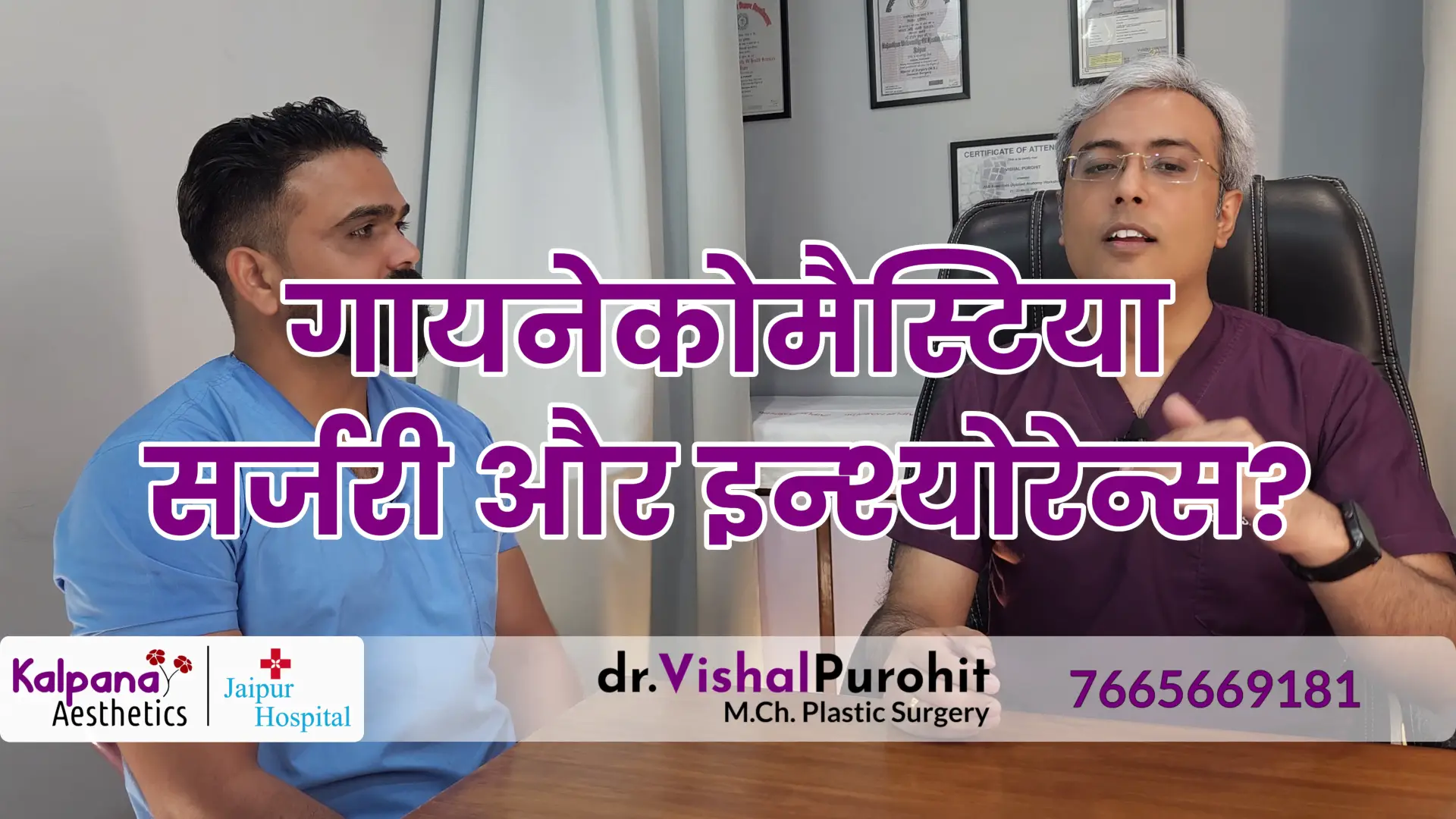
Hospital Stay after Gynecomastia Surgery
At Kalpana Aesthetics, a leading Plastic and Cosmetic Surgery Clinic in Jaipur, we understand the significance of a comfortable and supportive environment during your recovery from gynecomastia surgery. Our team is dedicated to ensuring that your hospital stay is as smooth as possible, allowing you to focus on your recovery and well-being.
About Kalpana Aesthetics
Kalpana Aesthetics is a renowned Plastic and Cosmetic Surgery Clinic in Jaipur, specializing in a range of cosmetic procedures, including gynecomastia surgery. Our experienced team is committed to providing personalized care and exceptional results, making us a top choice for patients seeking cosmetic surgery in Jaipur.
For more information or to schedule a consultation, please visit our Contact page.
Preparation for Hospital Stay
Preparing for Surgery
Before your gynecomastia surgery, it’s important to follow your surgeon’s instructions carefully to ensure the best possible outcome. This may include:
Medical Evaluation: Your surgeon will conduct a thorough medical evaluation to assess your overall health and determine if you are fit for surgery.
Medication Adjustment: You may need to adjust or stop certain medications, such as blood thinners, herbal supplements, or anti-inflammatory drugs, as they can increase the risk of bleeding during surgery.
Fasting Instructions: Your surgeon will provide specific instructions on fasting before surgery to reduce the risk of complications during anesthesia.
Arrange Transportation: Arrange for someone to drive you to and from the hospital on the day of surgery, as you will not be able to drive yourself.
Packing for Your Hospital Stay
When packing for your hospital stay, consider including:
- Comfortable clothing
- Toiletries
- Personal items for entertainment (books, music, etc.)
- Your insurance information and any necessary documents
Pre-Surgery Instructions
Your surgeon will provide you with specific instructions to follow before your surgery. These may include:
- Avoiding food and drink after midnight the night before your surgery
- Showering with an antibacterial soap the night before and morning of your surgery
- Arriving at the hospital at the designated time
During your consultation at Kalpana Aesthetics, your surgeon will provide you with detailed pre-surgery instructions tailored to your specific needs and medical history. Following these instructions diligently can help ensure a smooth surgery and recovery process.
Hospital Admission Process
Check-In Procedures
Upon arrival at the hospital for your gynecomastia surgery, you will need to complete the check-in process, which involves:
- Providing your personal and insurance information
- Signing consent forms for the surgery and anesthesia
- Meeting with the nursing staff to review your medical history and current medications
Meeting the Surgical Team
You will then meet with your surgical team, which may include:
- Surgeon: Who will perform your gynecomastia surgery
- Anesthesiologist: Who will administer anesthesia and monitor your vital signs during surgery
- Nursing Staff: Who will assist in your care before, during, and after surgery
Pre-Operative Preparations
Before your surgery, the nursing staff will prepare you for the operating room by:
- Providing a hospital gown to change into
- Starting an IV line for administering fluids and medications
- Prepping the surgical site, if necessary, with antiseptic solution
Table: Hospital Admission Checklist
| Item | Completed? |
|---|---|
| Personal Information | |
| Insurance Details | |
| Consent Forms | |
| Meeting with Surgeon | |
| Meeting with Anesthesiologist | |
| IV Line Started | |
| Surgical Site Prep |
During the check-in process at Kalpana Aesthetics, you will have the opportunity to ask any questions or address any concerns you may have about your surgery. Our team is dedicated to ensuring that you feel informed and comfortable throughout your hospital stay.
Gynecomastia Surgery Procedure
Anesthesia Administration
Before the surgery begins, your anesthesiologist will administer anesthesia. The type of anesthesia used will depend on the complexity of your surgery and your medical history. Options may include:
- General Anesthesia: You will be unconscious and feel no pain during the surgery.
- Local Anesthesia with Sedation: You will be awake but relaxed and pain-free.
Incision Placement
The surgeon will make incisions in inconspicuous areas to minimize visible scarring. The most common incision patterns for gynecomastia surgery include:
- Peri-areolar Incision: Around the edge of the areola (dark skin surrounding the nipple).
- Liposuction Incisions: Small incisions through which a cannula (thin tube) is inserted to suction out excess fat.
Tissue Removal and Contouring
Through the incisions, the surgeon will remove excess breast tissue, fat, and skin, if necessary. The remaining tissue will be sculpted to create a more masculine chest contour.
Closure of Incisions
Once the desired contour is achieved, the incisions will be closed using sutures. In some cases, drainage tubes may be placed to collect excess fluid and aid in the healing process.
Table: Gynecomastia Surgery Procedure Overview
| Step | Description |
|---|---|
| Anesthesia Administration | Administering anesthesia to ensure you are comfortable and pain-free |
| Incision Placement | Making incisions in strategic locations for tissue removal |
| Tissue Removal and Contouring | Removing excess breast tissue, fat, and skin to create a masculine chest contour |
| Closure of Incisions | Closing the incisions with sutures and possibly placing drainage tubes |
During your consultation at Kalpana Aesthetics, your surgeon will discuss the specifics of your gynecomastia surgery procedure, including the type of anesthesia to be used and the incision patterns. This personalized approach ensures that your surgery is tailored to your individual needs and goals.
Post-Surgery Care in the Hospital
Monitoring Vital Signs
After gynecomastia surgery, you will be closely monitored by the nursing staff to ensure your vital signs, such as heart rate, blood pressure, and oxygen levels, are stable. This monitoring helps identify and address any potential complications early.
Pain Management
Managing pain after surgery is crucial for your comfort and recovery. Your surgeon will prescribe pain medications to help alleviate any discomfort. It’s important to take these medications as directed and report any severe or persistent pain to your healthcare team.
Wound Care
Proper wound care is essential for preventing infection and promoting healing. The nursing staff will instruct you on how to care for your incisions, including keeping them clean and dry, changing dressings as needed, and monitoring for signs of infection.
Mobility and Activity
While it’s important to rest and allow your body to heal, gentle movement and walking can help prevent blood clots and promote circulation. The nursing staff will encourage you to gradually increase your activity level as tolerated.
Complications Management
Although rare, complications can occur after gynecomastia surgery. Common complications include infection, bleeding, and fluid accumulation. The nursing staff and your surgeon will monitor you closely for any signs of complications and take appropriate action if needed.
Table: Post-Surgery Care Overview
| Aspect | Description |
|---|---|
| Vital Signs Monitoring | Regular checks of heart rate, blood pressure, and oxygen levels |
| Pain Management | Prescribed medications to manage post-operative pain |
| Wound Care | Instructions on how to care for incisions to prevent infection and promote healing |
| Mobility and Activity | Gradual increase in activity level to prevent blood clots and promote circulation |
| Complications Management | Monitoring for signs of complications and prompt intervention if needed |
During your hospital stay at Kalpana Aesthetics, Jaipur Hpsoital, our nursing staff will provide comprehensive post-operative care to ensure a smooth recovery process. They will closely monitor your progress and address any concerns or complications that may arise, allowing you to focus on healing and achieving the best possible results from your gynecomastia surgery.
FAQs About Hospital Stay After Gynecomastia Surgery
1. What should I pack for my hospital stay?
For your hospital stay after gynecomastia surgery, it’s important to pack essential items such as comfortable clothing, toiletries, personal items for entertainment (books, music, etc.), and your insurance information. You may also want to bring any necessary documents related to your surgery, such as pre-operative instructions or consent forms.
2. How long will I stay in the hospital after surgery?
The length of your hospital stay after gynecomastia surgery can vary depending on the complexity of your surgery and your individual recovery process. In general, most patients are able to go home the same day or the day after surgery. Your surgeon will provide you with specific guidelines based on your condition.
3. Can I have visitors during my hospital stay?
Yes, you can have visitors during your hospital stay after gynecomastia surgery. However, it’s important to check with the hospital’s visiting hours and policies, as well as your own comfort level and need for rest. Having supportive visitors can positively impact your recovery process.
4. What dietary restrictions should I follow during my hospital stay?
Your surgeon may recommend following a light and easily digestible diet after gynecomastia surgery. This typically includes clear liquids and bland foods to avoid any discomfort or complications. It’s important to follow your surgeon’s dietary guidelines to support healing and prevent post-operative issues.
5. When can I resume normal activities after my hospital stay?
The timeline for resuming normal activities after gynecomastia surgery can vary depending on your individual recovery. In general, most patients can gradually resume light activities within a few days to a week after surgery. However, strenuous activities and heavy lifting should be avoided for several weeks to allow for proper healing.
6. How should I manage pain after gynecomastia surgery?
Your surgeon will prescribe pain medications to help manage any discomfort after gynecomastia surgery. It’s important to take these medications as directed and report any severe or persistent pain to your healthcare team. Additionally, applying ice packs to the surgical area and resting in a comfortable position can help alleviate pain and promote healing.
In summary, your hospital stay after gynecomastia surgery plays a crucial role in your recovery process. Proper preparation, post-operative care, and following your surgeon’s instructions can help ensure a smooth and successful recovery.
If you have any further questions or would like to schedule a consultation, please contact us via WhatsApp or Telegram at +91-7665669181. Our team at Kalpana Aesthetics is here to support you throughout your gynecomastia surgery journey.
For more information about gynecomastia surgery and other cosmetic procedures, visit our homepage.
Disclaimer: This article is for informational purposes only and should not be considered medical advice. It is important to consult with Dr. Vishal Purohit at Kalpana Aesthetics for personalized recommendations and treatment options.