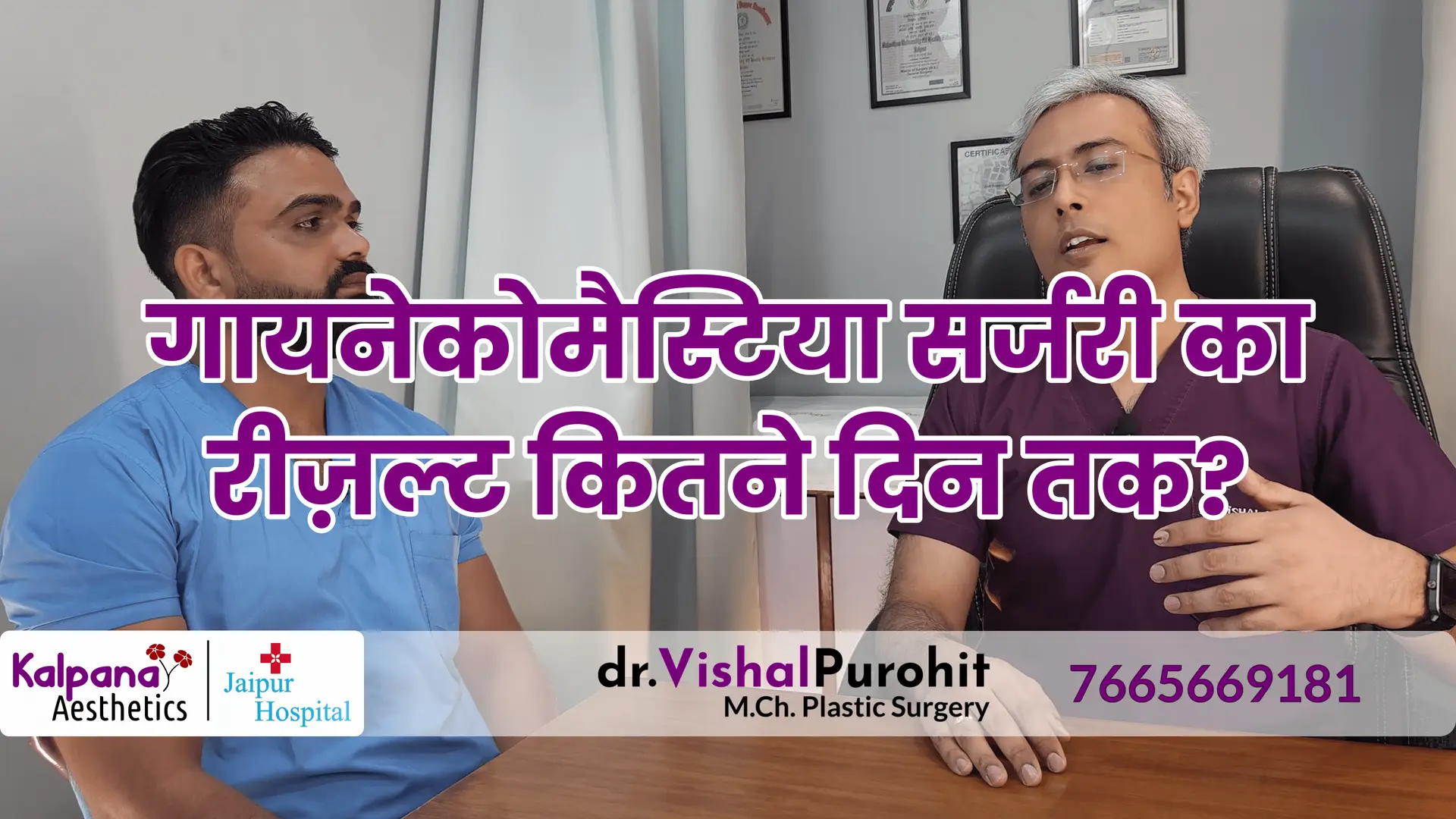
How long do I have to wear Pressure Garment after Gynecomastia Surgery
Introduction
Gynecomastia surgery, also known as male breast reduction surgery, is a procedure designed to reduce excess breast tissue in men. One important aspect of the recovery process after gynecomastia surgery is the use of compression garments. These garments play a crucial role in the healing process and can help improve the overall results of the surgery.
At Kalpana Aesthetics, a leading plastic and cosmetic surgery clinic in Jaipur, we understand the importance of proper post-operative care. That’s why we recommend the use of compression garments to our patients undergoing gynecomastia surgery. These garments provide support to the chest area, reduce swelling and bruising, and help the skin retract properly.
If you have any questions about gynecomastia surgery or the use of compression garments, please don’t hesitate to contact us. Our team of experienced plastic surgeons is here to help you achieve the best possible results.
Benefits of Compression Garment
Reduce Swelling and Bruising
After gynecomastia surgery, it is common to experience swelling and bruising in the chest area. Compression garments help reduce this swelling by applying gentle pressure to the tissues. This can lead to a faster recovery time and less discomfort for the patient.
Support the Chest Area
Compression garments provide support to the chest area, which is especially beneficial during the healing process. This support can help prevent complications and improve the overall results of the surgery.
Improve Skin Retraction
Proper skin retraction is essential for achieving optimal results from gynecomastia surgery. Compression garments help the skin retract properly by applying constant pressure to the chest area. This can help prevent sagging skin and ensure a more toned appearance.
Enhance Comfort During Recovery
Wearing a compression garment can help reduce discomfort during the recovery process. The gentle pressure applied by the garment can help alleviate pain and soreness, allowing patients to recover more comfortably.
| Benefit | Description |
|---|---|
| Reduce Swelling and Bruising | Compression garments apply gentle pressure to reduce swelling and bruising in the chest area. |
| Support the Chest Area | These garments provide support to the chest, which is beneficial for healing and preventing complications. |
| Improve Skin Retraction | Proper skin retraction is crucial for good results; compression garments help the skin retract properly. |
| Enhance Comfort During Recovery | Wearing a compression garment can reduce discomfort, making the recovery process more comfortable for the patient. |
Compression garments are a vital part of the recovery process after gynecomastia surgery. They provide numerous benefits that can help patients achieve the best possible results. If you’re considering gynecomastia surgery, contact us to learn more about the benefits of compression garments and how they can enhance your recovery experience.
Types of Compression Garments
Vests
Vests are the most common type of compression garment used after gynecomastia surgery. They provide full coverage of the chest area and are designed to apply consistent pressure to the tissues. Vests are comfortable to wear and can be easily hidden under clothing.
Binders
Binders are another option for compression garments after gynecomastia surgery. They focus more on compression and less on coverage compared to vests. Binders are suitable for patients who prefer a tighter fit and more targeted compression.
Shirts
Compression shirts are designed to look like regular undershirts but provide compression to the chest area. They are less noticeable than vests or binders and can be more comfortable for everyday wear.
| Type | Description |
|---|---|
| Vests | Provide full chest coverage and apply consistent pressure to the tissues. Comfortable and discreet. |
| Binders | Focus on compression and offer a tighter fit. Suitable for those who prefer more targeted compression. |
| Shirts | Resemble regular undershirts but provide compression to the chest area. Less noticeable under clothing. |
Choosing the right type of compression garment depends on individual preferences and the advice of your surgeon. Each type offers unique benefits and can play a crucial role in the healing process after gynecomastia surgery. If you’re unsure about which type of compression garment is right for you, contact us to speak with one of our experienced plastic surgeons.
When to Wear Compression Garment
Immediately After Surgery
It is essential to start wearing your compression garment immediately after gynecomastia surgery. The compression helps reduce swelling and supports the chest area as it heals.
Continuously for the First Few Weeks
For optimal results, it is recommended to wear the compression garment continuously for the first few weeks after surgery. This constant pressure can help improve skin retraction and reduce the risk of complications.
Gradually Reduce Wear Time
As your recovery progresses, your surgeon may advise you to gradually reduce the amount of time you wear the compression garment. This is typically done over several weeks as the swelling subsides and the healing process advances.
| Timing | Description |
|---|---|
| Immediately After Surgery | Start wearing the compression garment right after surgery to reduce swelling and support healing. |
| Continuously for the First Weeks | Wear the garment continuously for the first few weeks to optimize results and prevent complications. |
| Gradually Reduce Wear Time | As you heal, reduce wear time gradually under your surgeon’s guidance to support the healing process. |
Following your surgeon’s instructions regarding when to wear your compression garment is crucial for a successful recovery. If you have any questions or concerns about wearing your compression garment, contact us for personalized advice.
How to Choose a Compression Garment
Size
Choosing the right size for your compression garment is crucial. It should be snug but not too tight, as excessive pressure can lead to discomfort and skin irritation. Your surgeon will provide guidance on the correct size based on your measurements.
Material
Opt for a compression garment made from breathable and comfortable fabric. This ensures that you can wear it for extended periods without feeling too hot or uncomfortable. Look for materials that are gentle on the skin and do not cause irritation.
Design
The design of the compression garment should be practical and easy to put on and take off. Look for features such as adjustable straps or zippers that allow you to customize the fit. A well-designed garment will also provide adequate compression to the chest area.
| Aspect | Description |
|---|---|
| Size | Choose a size that is snug but not too tight, based on your surgeon’s recommendations. |
| Material | Opt for breathable and comfortable fabric that is gentle on the skin and allows for extended wear. |
| Design | Look for a design that is practical and easy to put on and take off, with features like adjustable straps. |
It’s essential to follow your surgeon’s recommendations when choosing a compression garment. They will help you select the right size, material, and design to ensure optimal results and comfort during your recovery. If you need assistance selecting a compression garment, contact us for personalized advice.
FAQs
1. How long do I need to wear the compression garment?
You should wear the compression garment as directed by your surgeon, typically for several weeks after surgery. It is essential to follow their instructions carefully to achieve the best possible results. Gradually reducing wear time as advised can help ensure a smooth recovery process.
2. Can I sleep without wearing it?
While it’s important to wear the compression garment during the day, your surgeon may advise you to wear it while sleeping, especially during the initial stages of your recovery. Sleeping without the garment can lead to increased swelling and discomfort. Follow your surgeon’s recommendations for optimal results.
3. Can I wash the compression garment?
Yes, you can wash the compression garment, but it’s essential to follow the care instructions provided by the manufacturer. Use a gentle detergent and wash it by hand or in a gentle cycle. Avoid using harsh chemicals or bleach, as this can damage the fabric and reduce its effectiveness.
4. When can I resume activities like exercising?
You should avoid strenuous activities, including exercise, for a few weeks after gynecomastia surgery. Your surgeon will advise you on when it is safe to resume these activities based on your individual recovery progress. It’s important to gradually ease back into your regular exercise routine to prevent any complications.
5. Will insurance cover the cost of the compression garment?
Insurance coverage for compression garments varies depending on your insurance provider and policy. Some insurance companies may cover the cost of the garment if it is deemed medically necessary. It’s best to check with your insurance provider before surgery to understand your coverage and any potential out-of-pocket expenses.
6. How do I know if the compression garment is fitting correctly?
The compression garment should fit snugly but not be too tight. You should be able to breathe comfortably and move freely. If you experience any excessive pain, numbness, or tingling, the garment may be too tight, and you should contact your surgeon for advice.
Summary
Compression garments play a vital role in the recovery process after gynecomastia surgery. They help reduce swelling, support the chest area, improve skin retraction, and enhance comfort during recovery. Choosing the right compression garment and wearing it as directed by your surgeon can significantly improve your results and overall experience.
If you have any questions about gynecomastia surgery or compression garments, please don’t hesitate to contact us. Our team at Kalpana Aesthetics is here to provide you with personalized advice and support. Call or contact us via WhatsApp or Telegram on +91-7665669181.
Visit our homepage to learn more about gynecomastia surgery and schedule a consultation with Dr. Vishal Purohit at Kalpana Aesthetics.
Disclaimer: This article is for informational purposes only and is not intended to replace medical advice. It is advisable to consult with Dr. Vishal Purohit at Kalpana Aesthetics for personalized recommendations and treatment options.