
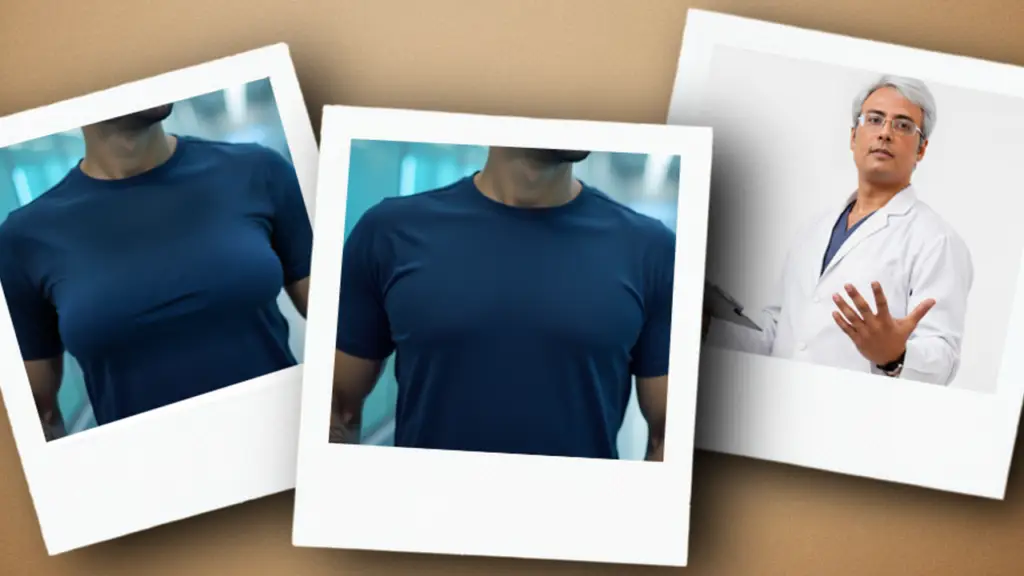
Best Gynecomastia Surgery in Jaipur
Quality care at an affordable price. Expert gynecomastia treatment within your budget.
- Improve self-esteem with affordable gynecomastia surgery
- Boost confidence and physical comfort affordably

Trusted by 1800+ patients
Book Your Free Video Consultation. Hurry, Limited Slots !!
Why would you need Gynecomastia Surgery?
Gynecomastia causes significant psychological and emotional problems.
Decreased Self-Esteem
Do you feel like you are not attractive or masculine? Are you unable to wear your favourite clothes?
Anxiety and Depression
Do you worry about how others will perceive you?
Social Isolation
Do you avoid social situations because you are self-conscious about your appearance?
Rejected in Exam
Have you been given a point and rejected in a physical examination in defence services?
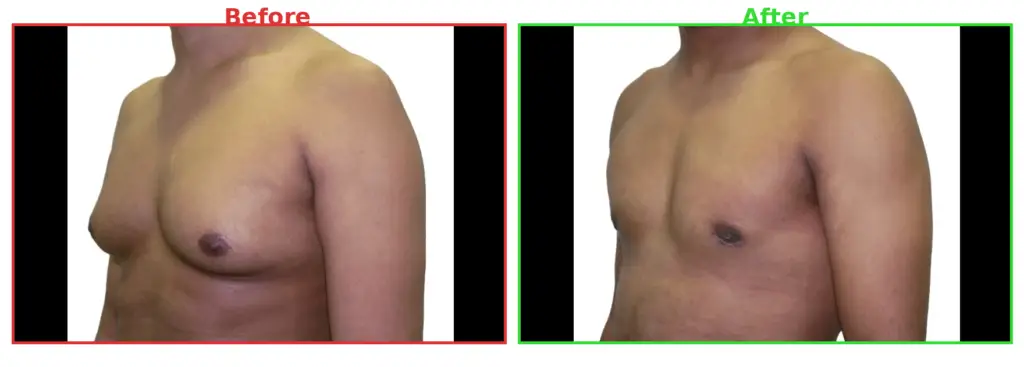
What Gynecomastia Surgery can do for you?
- Boost Confidence & Self-Esteem
- Improve Body Contour
- Enhance Physical Appearance
- Promote Better Posture
- Allows More Clothing Options
- Reduces Excess Chest Tissue
- Improve Chest Contour
- Enhance Body Shape
- Permanent Solution
- Get Rid of Chest Fat
- Achieve a Defined Chest
Kalpana Aesthetics is a Plastic Surgery Clinic That You Can Trust
Kalpana Aesthetics is a leading plastic surgery clinic in Jaipur, India, led by Dr. Vishal Purohit, a highly qualified plastic surgeon. We offer a variety of cosmetic surgery procedures.
The clinic’s mission is to empower patients to achieve their desired look and boost their confidence.
We have performed over 1800 successful gynecomastia surgeries in the past 5 years.
Kalpana Aesthetics welcomes you to discuss personalized treatment plans.

Dr Vishal Purohit
MCh Plastic Surgery
Dr. Vishal Purohit is a board-certified plastic and cosmetic surgeon (M.Ch. Plastic Surgery) based in Jaipur, renowned for his expertise in transformative procedures like rhinoplasty, liposuction, gynecomastia surgery, and hair transplants.
Trained at prestigious institutions like Govt. Stanley Medical College (M.B.B.S.) and Govt. S.M.S. Medical College (M.S., M.Ch.), he combines advanced surgical skills with a patient-centric philosophy, believing everyone deserves to “look, feel, and live beautifully.”
With affiliations in reconstructive and cosmetic surgery, Dr. Purohit is committed to delivering compassionate, high-quality care
Frequently Asked Questions (Answer Videos)
Gynecomastia surgery, also known as male breast reduction, is a surgical procedure to reduce the size of enlarged chest glands in men. A plastic surgeon performs it to improve a man’s appearance and self-confidence.
There are two main types of gynecomastia surgery:
- Liposuction: This procedure removes excess fat from the chest. It is typically used for men with mild-to-moderate gynecomastia.
- Excision: This procedure removes excess gynecomastia tissue and skin. It is typically used for men with more severe gynecomastia.
- The gold standard is a combination of liposuction and excision, as practiced at Kalpana Aesthetics.
Gynecomastia surgery is an outpatient procedure, which means that you will be able to go home the same day as your surgery. The recovery time varies depending on the extent of the surgery, but it is typically a few weeks.
Book an Appointment to learn more about gynecomastia surgery.
A good candidate for gynecomastia surgery typically meets several criteria:
- Physical health: You should be in overall good health with no underlying medical conditions that could complicate healing. This includes not being significantly overweight and being a non-smoker.
- Stable weight: Ideally, you should be at or close to your ideal body weight and have maintained that weight for some time. Significant weight fluctuations can affect the results of the surgery.
- Completed gynecomastia development: Your gynecomastia development should be stable, meaning it hasn’t changed significantly in size for at least six months. This is especially important for adolescents, as their gynecomastia may resolve on its own with hormonal changes.
- Realistic expectations: It’s important to have realistic expectations about what surgery can achieve. Gynecomastia surgery aims to improve the appearance of the chest and boost self-confidence, but it won’t create a perfectly sculpted chest.
- Psychological readiness: You should be undergoing surgery for the right reasons, to address your concerns, and not because of pressure from others.
Book an Appointment to know if you are an ideal candidate for gynecomastia surgery.
The gynecomastia surgery procedure involves techniques to remove excess breast tissue, fat, or both, depending on the severity of your condition. Here’s a breakdown of the usual steps:
Pre-surgical consultation:
- A consultation with a board-certified plastic surgeon is crucial. They will discuss your medical history, examine your breasts, and determine the type and amount of tissue to be removed.
- They’ll also explain the different surgical techniques, anesthesia options, potential risks and complications, and recovery expectations.
The surgical procedure itself:
The type of anesthesia used depends on the surgery’s extent. It could be general anesthesia (you’ll be asleep) or local anesthesia with sedation (you’ll be awake but numb).
There are two main surgical approaches, and sometimes a combination is used:
- Liposuction: For men with mainly excess fat, a thin tube (cannula) is inserted through tiny incisions. The cannula is moved to loosen fat, which is then suctioned out.
- Excision: For more severe cases with excess skin or glandular tissue, larger incisions are made. The surgeon removes the unwanted tissue and may reposition the nipple and areola for a natural look. Incision patterns vary based on the case and the surgeon’s preference.
After tissue removal, the incisions are closed with sutures or stitches. Dissolvable stitches may be used in some cases. - Combined Liposuction and Gynecomastia Gland Excision: This is the modern gold standard as it removes excess fat to contour the chest as well removes the gynecomastia gland permanently.
Drainage tubes might be placed temporarily to remove excess fluids and prevent collection.
Post-surgical care:
- You’ll likely wear a compression garment to minimize swelling and support healing.
- Pain medication is prescribed to manage discomfort.
- Maintaining good hygiene and proper wound care are crucial to prevent infection.
- Follow-up appointments are essential to monitor healing and address any concerns.
Book an Appointment to know about gynecomastia surgery
Recovering from gynecomastia surgery typically involves a few weeks of healing and gradually returning to normal activities. Here’s a general timeline of what to expect:
Immediately After Surgery:
- You’ll likely feel some soreness and tightness in your chest. Pain medication will be prescribed to manage discomfort.
- Bandages will be applied to the incisions, and you’ll likely wear a compression garment to minimize swelling and support your chest as it heals.
First Few Days:
- Some bruising and swelling are normal. You’ll need to take it easy and avoid strenuous activity. Rest is important for optimal healing.
1-2 Weeks:
- Discomfort should gradually improve. You might be able to return to light activities like desk work.
- Sutures may be removed during this time.
3-4 Weeks:
- Most patients are cleared for light exercise, excluding chest-focused workouts.
- Compression garment use may be reduced or discontinued based on your doctor’s instructions.
- Swelling and bruising should be significantly subsided by this point.
6 Weeks:
- This typically marks the completion of recovery. You should be able to resume most activities, including exercise.
- You’ll likely see the final results of the surgery at this stage.
Book an Appointment to know more about Gynecomastia recovery process.
While you might see some initial improvement right after gynecomastia surgery, the final aesthetic results take time to fully develop. Here’s a breakdown of the timeline:
Initial Improvement:
- There will likely be some swelling and bruising around the chest area immediately following surgery. This is normal and subsides gradually.
3-4 Weeks:
- A significant portion of the swelling and bruising should be gone by this point, offering a clearer glimpse of the final outcome.
3-6 Months:
- This is the timeframe where you can expect to see the final results of gynecomastia surgery. As swelling completely resolves and tissues settle in, your chest contour will achieve its intended shape.
Here’s why it takes several months to see the full effect:
Swelling Reduction: Swelling is a natural part of the healing process. It takes time for the body to absorb excess fluids and for tissues to return to their normal size.
Skin Retraction: Especially after tissue removal, the skin needs time to adapt to the new contours of your chest. In some cases, surgeons may use techniques to improve skin elasticity and promote better skin retraction for a smoother look.
Scar Maturation: Incisions from the surgery heal into scars. Scars mature and fade over time, becoming less noticeable.
It’s important to remember that everyone heals at their own pace. While the 3-6 month timeframe is a general guideline, some patients may see final results sooner or even take a little longer.
Here are some tips for a smoother recovery and potentially faster achievement of final results:
- Meticulous Post-Operative Care: Following your doctor’s instructions diligently regarding wound care, wearing compression garments as directed, and maintaining a healthy lifestyle can all contribute to optimal healing and potentially faster results.
- Maintaining a Healthy Weight: Significant weight fluctuations can affect the final outcome of the surgery.
If you have any concerns about your recovery or the progress of your results, be sure to communicate with your doctor during follow-up appointments.
Yes, scar formation is a reality after gynecomastia surgery. Since incisions are necessary to remove excess tissue, some permanent scarring is unavoidable. However, several factors can influence the scar’s appearance:
Surgical Technique: A skilled plastic surgeon experienced in gynecomastia procedures will use techniques that minimize scar visibility. Incisions may be placed in inconspicuous areas like around the nipples or within the natural folds of the chest.
Scar Management: Following your doctor’s post-surgical instructions for wound care is crucial. This may involve proper cleaning, applying scar gels or ointments, and wearing compression garments as directed. These measures can promote optimal healing and potentially minimize scar prominence.
Individual Healing: Scars heal differently for each person. Genetics play a role in how well your skin heals and forms scars.
Here’s a breakdown of what to expect regarding scars:
Scar Location: Scars are typically placed around the areola (nipple) or in inconspicuous locations on the chest wall. The surgeon will strategically position incisions to minimize their visibility when you’re clothed.
Scar Visibility: Even with minimal scarring techniques, some degree of scar formation will occur. Over time, scars generally fade and become less noticeable. In some cases, they may become thin and white lines.
Minimally Invasive Techniques: Advancements in surgical techniques have led to the development of minimally invasive approaches for gynecomastia, particularly for cases involving mostly fat removal. Liposuction procedures may use smaller incisions, potentially resulting in less noticeable scars.
If scar minimization is a major concern for you, discuss it openly with your plastic surgeon during the consultation. They can explain the specific techniques they use, potential scar locations based on your case, and any scar management options they recommend.
Book an Appointment to learn more
Gynecomastia surgery, like any surgery, carries potential risks and side effects. Here’s a breakdown of what to consider:
General Anesthesia Risks:
- As with any procedure using anesthesia, there are inherent risks like allergic reactions or breathing problems.
Bleeding and Infection:
- Though uncommon, bleeding and infection can occur during or after surgery. Following proper post-operative care instructions can significantly reduce this risk.
Swelling and Bruising:
- Swelling and bruising around the chest area are normal after surgery and subside gradually over the first few weeks.
Pain:
- You will likely experience some soreness and tightness in your chest after surgery. Pain medication will be prescribed to manage discomfort.
Numbness:
- Temporary or permanent changes in nipple and chest sensation can occur. In some cases, sensation may return over time.
Asymmetry:
- Achieving perfect breast symmetry can be challenging. There’s a possibility that one side may heal slightly differently than the other.
Unsatisfactory Results:
- It’s important to have realistic expectations about the outcome. Discuss your desired results thoroughly with your surgeon during the consultation.
Scarring:
- Scarring is inevitable, but strategic incision placement and proper scar management can minimize their appearance.
Skin Complications:
- Issues like skin rippling, poor skin retraction, or skin discoloration can rarely occur.
Blood Clots:
- There’s a small risk of blood clot formation, especially in patients with certain risk factors.
Nipple Areola Complex Issues:
- Damage to the nipple or areola, including loss of sensation or even tissue death, is a rare possibility.
Other Potential Complications:
- More serious complications like deep vein thrombosis or pulmonary complications are very rare but can occur.
Remember, this list is not exhaustive, and the likelihood of experiencing any of these side effects varies. It’s crucial to discuss your specific health profile and risk factors with your doctor during the consultation. They can provide a more personalized assessment of potential risks and complications based on your situation.
Here are some ways to minimize these risks:
- Choose a board-certified plastic surgeon with extensive experience in gynecomastia surgery.
- Maintain good overall health before surgery.
- Disclose your complete medical history to your doctor.
- Stop smoking well in advance of surgery, as smoking can impede healing.
- Follow all pre- and post-operative instructions meticulously.
Gynecomastia surgery is generally considered a permanent solution for reducing enlarged male breast tissue. Here’s why:
Tissue Removal: The surgery targets and removes the excess glandular tissue that causes gynecomastia. Once removed, this specific tissue typically won’t grow back. Surgeons leave some breast tissue behind to maintain a natural appearance and minimize complications.
Fat Cell Elimination: Fat cells removed through liposuction are permanently gone. However, it’s important to note…
Weight Management: Significant weight gain can cause the remaining fat cells in your chest to enlarge and potentially lead to new fat cell formation. Maintaining a healthy weight through diet and exercise is crucial for lasting results.
Here’s a breakdown of what to expect regarding the permanence of gynecomastia surgery results:
Reduced Breast Tissue: The glandular tissue removed during surgery won’t regenerate in most cases. So, the reduction in breast size achieved through surgery is typically permanent.
Weight Management and Fat Cells: While fat cells removed by liposuction are gone for good, weight gain can influence the overall chest appearance. Maintaining a stable weight is key to long-term results.
Overall, gynecomastia surgery offers long-lasting results for men seeking to reduce enlarged breasts. However, maintaining a healthy weight is important for optimal, long-term outcomes.
Book an Appointment If you have any concerns about the permanence of results or weight management after surgery.
In India, gynecomastia surgery coverage by health insurance is generally not straightforward and depends on several factors. Here’s a breakdown of what to expect:
Limited Coverage for Cosmetic Reasons:
- Most health insurance plans in India typically exclude coverage for cosmetic procedures. Gynecomastia surgery, when performed solely to improve appearance, often falls under this category.
Potential Coverage for Medical Necessity:
- There might be a chance of insurance coverage if gynecomastia is deemed medically necessary. This could be the case if:
- The enlarged breasts cause significant physical discomfort or pain.
- There are documented psychological or emotional problems due to gynecomastia.
Importance of Pre-Approval:
- Even if your case seems medically necessary, getting pre-approval from your insurance provider is crucial before undergoing surgery. This involves submitting detailed documentation to your insurer explaining the medical reasons for the surgery and seeking approval for coverage.
Factors Affecting Coverage:
- The specific terms of your individual health insurance plan will ultimately determine coverage. Factors like the insurance company, policy type, and exclusions will play a role.
Here’s what you can do to find out about coverage:
- Consult Your Insurance Provider: Contact your insurance company directly and inquire about coverage for gynecomastia surgery under your specific plan.
- Review Your Policy Documents: Carefully examine your policy documents or contact your insurance provider for clarification on exclusions related to cosmetic surgery.
- Doctor’s Support: If you believe your case qualifies for medical necessity coverage, your doctor can provide documentation to support your claim when submitting it to your insurance company.
Alternatives if Insurance Doesn’t Cover:
- If insurance doesn’t cover the surgery, explore alternative financing options. Some surgeons may offer payment plans, or you might consider medical loans.
Remember, this information is intended as a general overview. The best course of action is to consult with your doctor and insurance provider to understand your specific situation and determine potential coverage for gynecomastia surgery in India.
Book an Appointment to learn more.
The cost of gynecomastia surgery in Jaipur can vary depending on several factors, but generally falls within the range of ₹45,000 to ₹1,15,000 (roughly equivalent to $500 to $1400 USD). Here’s a breakdown of what influences the cost:
- Complexity of the Surgery: The type and severity of your gynecomastia will determine the surgical approach used. Liposuction for mild cases is typically less expensive than excision for severe cases requiring tissue removal.
- Surgeon’s Experience and Reputation: Highly qualified and experienced plastic surgeons may command higher fees.
- Hospital or Clinic Fees: The facility where the surgery is performed can impact the overall cost. Hospital charges may be higher compared to surgical centers.
- Geographic Location: Costs can vary depending on the city or region where the surgery is performed. Tier 1 cities may have slightly higher costs compared to smaller towns.
- Anesthesia Fees: The type of anesthesia used (general vs. local) can influence the cost.
- Post-operative Care: Costs associated with medications, compression garments, and follow-up appointments can factor into the overall price.
Here are some resources you can use to get a better idea of costs in your area:
- Consult with Surgeons: Schedule consultations with board-certified plastic surgeons experienced in gynecomastia surgery. During the consultation, they can assess your case, explain the recommended surgical approach, and provide a personalized cost estimate.
- Online Resources: Websites of some hospitals or surgical centers may list estimated price ranges for gynecomastia surgery.
Important Considerations:
- While cost is a factor, prioritizing an experienced and qualified surgeon for optimal results and safety is crucial.
- Be wary of centers offering significantly lower costs, as this might compromise quality of care or materials used.
Remember, the information above is a general guide. For the most accurate cost estimate for your specific situation, consult with a board-certified plastic surgeon in your area.
Book an Appointment to know the prices of gynecomastia surgery applicable to you and a get a personal quote.
Gynecomastia surgery is typically an outpatient procedure in most cases. This means that you will be able to go home the same day after your surgery.
There might be some exceptions depending on your individual situation and the surgeon’s protocol. If the surgery is done under general anesthesia or you have underlying health conditions, an overnight stay might be recommended for monitoring purposes.
- Generally, gynecomastia surgery is an outpatient procedure, allowing you to return home the same day.
- In some specific cases, an overnight stay might be necessary.
- Always discuss the expected hospital stay with your doctor during the consultation. They can address your specific situation and plan accordingly.
Book an appointment to learn more about gynecomastia surgery.
Your return to normal activities and work after gynecomastia surgery depends on a few factors, but generally falls within a timeframe of 2-4 weeks.
Recovery Timeline:
- Immediately After Surgery: You’ll likely experience some soreness and discomfort, but pain medication will be prescribed to manage it. You’ll likely wear a compression garment to minimize swelling and support healing. Rest is important for the initial recovery phase.
- First Few Days: Expect some bruising and swelling, and you’ll need to take it easy and avoid strenuous activity.
- 1-3 Weeks: Discomfort should gradually improve, and you might be able to return to light activities like desk work, depending on your job and your doctor’s clearance. Sutures may be removed during this time.
- 4-5 Weeks: Most patients are cleared for light exercise, excluding chest-focused workouts. You may be able to resume most daily activities by this point. Compression garment use might be reduced or discontinued based on your doctor’s instructions.
- 6 Weeks: This typically marks the completion of recovery. You should be able to resume most activities, including exercise, and see the final results of the surgery.
Returning to Work:
- Considering the above recovery timeline, you might be able to return to work within a week if your job involves light activity like desk work.
- If your work is more physically demanding, you’ll likely need to wait longer, typically around 4-5 weeks, to allow for sufficient healing and avoid complications.
Key Points to Remember:
- Everyone heals at their own pace. This timeline is a general guideline, and your doctor will provide specific instructions based on your case.
- It’s crucial to follow your doctor’s post-operative instructions diligently to optimize healing and minimize risks.
- Avoid strenuous activity or lifting heavy objects for at least 6 weeks, or as advised by your doctor.
Communicate with Your Doctor:
- During follow-up appointments, discuss your progress and any concerns you might have about returning to normal activities or work.
- Your doctor can assess your healing status and provide personalized clearance for specific activities, including returning to work.
In most cases, gynecomastia surgery offers permanent results for reducing enlarged male breast tissue. The surgery targets and removes the excess glandular tissue that causes the condition. Once removed, this specific tissue typically won’t grow back. However, there are some factors to consider regarding recurrence:
Incomplete Tissue Removal: During surgery, surgeons aim to remove most of the glandular tissue, but some may be left behind to maintain a natural chest appearance and minimize complications. If a significant amount of tissue is left behind, there’s a small chance it could enlarge again.
Weight Gain: Fat cells are different from glandular tissue. While fat cells removed by liposuction during gynecomastia surgery are gone for good, weight gain can cause the remaining fat cells in your chest to enlarge. This can sometimes lead to a perception of gynecomastia recurrence, though it’s not technically a regrowth of the original glandular tissue.
Here’s a breakdown of what you can do to minimize the risk of recurrence:
- Maintain a Healthy Weight: Managing your weight through diet and exercise is crucial to prevent remaining fat cells from enlarging and compromising your surgical results.
- Follow Doctor’s Instructions: Meticulously following your doctor’s post-operative care instructions regarding wound care, wearing compression garments as directed, and maintaining a healthy lifestyle can all contribute to optimal healing and potentially reduce the risk of any tissue regrowth.
- Monitor for Changes: Be mindful of any changes in your chest size or appearance after surgery. If you notice any concerning developments, consult your doctor to rule out recurrence or other potential issues.
Overall, the likelihood of gynecomastia returning after surgery is relatively low, especially if you maintain a healthy weight and follow your doctor’s post-operative care instructions. If you have any questions or concerns about recurrence, discuss them openly with your doctor during the consultation or follow-up appointments.
Book an Appointment to learn more about gynecomastia surgery results
Yes, wearing a compression garment is a standard part of recovery after gynecomastia surgery. Here’s why compression garments are important:
Minimize Swelling: Swelling is a natural response to surgery. Compression garments help reduce swelling and fluid buildup in the chest area, promoting faster healing and a more sculpted outcome.
Support Healing Tissues: The compression garment provides gentle but firm pressure that supports the underlying tissues as they heal. This can help minimize discomfort and optimize the healing process.
Reduce Risk of Seromas: Seromas are collections of fluid that can sometimes develop after surgery. Compression garments can help prevent seroma formation by minimizing fluid accumulation.
Improve Skin Retraction: Compression can help the skin adapt to the new contours of your chest, potentially promoting better skin retraction and a smoother appearance.
How Long Will I Need To Wear It?
The duration of compression garment use typically varies from 2-6 weeks, depending on your doctor’s instructions and your individual healing progress.
- Initial Weeks: You’ll likely need to wear the compression garment almost constantly, except when showering or changing the garment.
- Gradual Reduction: As swelling subsides and healing progresses, your doctor might recommend gradually reducing wear time throughout the day.
Here are some additional points to remember about compression garments after gynecomastia surgery:
- Proper Fit: Ensure the garment fits snugly but comfortably, without causing constriction or discomfort.
- Doctor’s Guidance: Your doctor will provide specific instructions on how to wear and care for the compression garment.
- Hygiene: Maintain good hygiene by washing the garment regularly as instructed by your doctor.
- Discomfort: If you experience any significant discomfort or skin irritation while wearing the garment, consult your doctor.
Overall, compression garments play a valuable role in optimizing your gynecomastia surgery recovery. By following your doctor’s instructions regarding wear time and care, you can maximize the benefits of compression and promote a smooth recovery process.
Book an Appointment to know more about pressure garment after gynecomastia surgery.
Following a proper home care routine is crucial for optimal healing and recovery after gynecomastia surgery. Here are some key aspects to focus on:
Wound Care:
- Meticulous Cleaning: Maintain clean wounds to prevent infection. Clean the incision sites daily with a gentle antibacterial soap or solution as instructed by Dr Vishal. Pat the area dry thoroughly with a clean, soft cloth. Avoid using harsh soaps or rubbing the incisions.
- Applying ointments: Follow Dr. Vishal’s instructions regarding tpical ointment aplication. Typically, dressings are not required after surgery. Dressing applied during surgey are removed five days after the procedure during follow-up appointment in the initial days.
Pain Management:
- Medication: Your doctor will prescribe pain medication to manage discomfort after surgery. Take the medication exactly as prescribed, and don’t hesitate to contact your doctor if the pain is not adequately controlled.
- Rest and Relaxation: Prioritize getting enough sleep and rest to allow your body to focus on healing. Avoid strenuous activity for at least 6 weeks, or as advised by your doctor.
Swelling and Bruising:
- Swelling: Swelling around the chest area is normal after surgery. To minimize swelling, you may apply ice packs wrapped in a thin cloth to the area for short intervals (typically 15-20 minutes) throughout the day, following your doctor’s instructions. Elevation can also help reduce swelling. Prop yourself up with pillows while sleeping or resting.
- Bruising: Bruising may also occur and can last for a couple of weeks. There’s no specific treatment for bruising, but applying cold compresses can help ease discomfort.
Compression Garment:
- Wear as Instructed: As discussed earlier, wear your compression garment as directed by your doctor. This typically involves almost constant wear for the initial recovery phase, with gradual reduction in wear time as swelling subsides.
- Proper Fit and Care: Ensure the garment fits snugly but comfortably. Wash it regularly as instructed by your doctor to maintain hygiene.
Diet and Hydration:
- Healthy Eating: Maintain a healthy diet rich in fruits, vegetables, and lean protein to promote healing and provide your body with the nutrients it needs for recovery.
- Hydration: Drink plenty of fluids throughout the day to stay hydrated. This is important for overall health and wound healing.
Activity and Exercise:
- Limited Activity: Avoid strenuous activity or lifting heavy objects and activities that require repetitive motion at the shoulders for at least 6 weeks after surgery. This helps prevent complications and promotes proper healing.
- Gradual Return: As your doctor clears you, you can gradually resume light activities and exercise, but avoid chest-focused workouts for at least 4-6 weeks.
Hygiene and Comfort:
- Showering: You can typically shower after a few days of surgery, following your doctor’s instructions. Avoid soaking in baths for at least 2 weeks or until the incisions are fully healed.
- Loose Clothing: Wear loose-fitting clothing made from soft, breathable fabrics to avoid irritating the incision sites. Loose shirt are ideal, avoid T-shirts as they require raising arms to wear.
Post-operative Appointments:
- Attend Follow-Ups: It’s crucial to attend all scheduled follow-up appointments with your doctor. This allows them to monitor your healing progress, address any concerns, and adjust your recovery plan as needed.
Additional Tips:
- Maintain Good Posture: Maintaining good posture can help minimize discomfort and promote proper healing.
- Avoid Smoking: Smoking can impede healing. If you smoke, quitting before surgery and during recovery is highly recommended.
- Avoid Alcohol: Alcohol delays healing.
- Listen to Your Body: Pay attention to your body and how you feel after surgery. Don’t hesitate to contact your doctor if you experience any concerning symptoms like increased pain, redness, swelling, or fever.
Book an Appointment to learn more about Home care after gynecomastia surgery